How Often Do You Need to Replace Shock Absorbers?
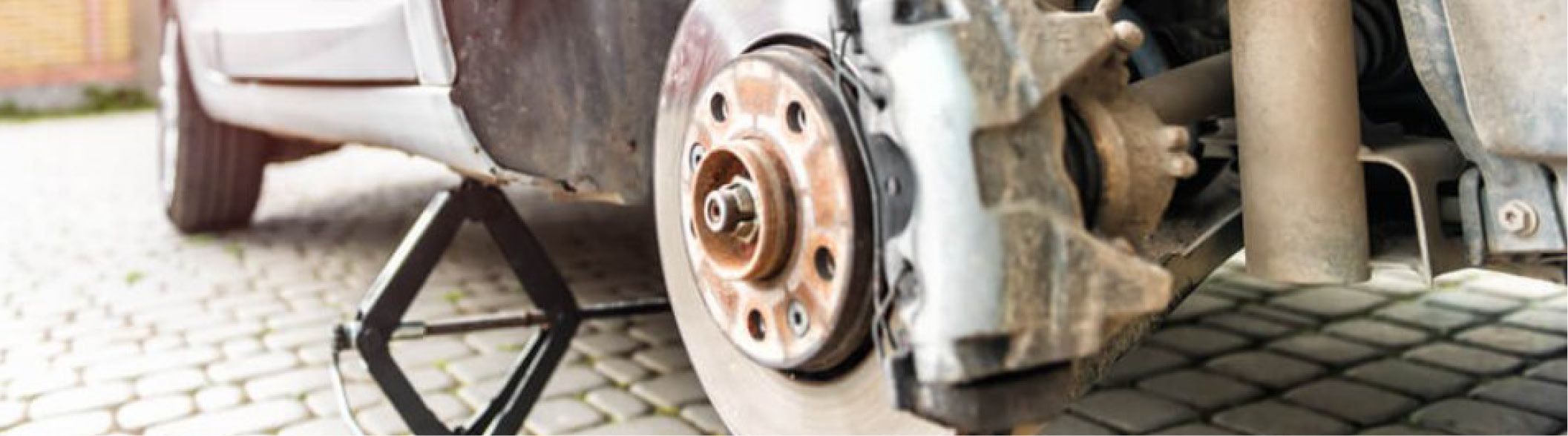
If you’re wondering whether it’s time to replace shock absorbers, you’re not alone. Shock absorbers wear out gradually, which means many drivers don’t notice a problem until their ride feels rough, unstable or harder to control.
Unlike tyres or brake pads, shocks don’t usually fail suddenly. Instead, performance slowly declines. That’s why understanding the shock absorber replacement interval, common warning signs, and when to book a suspension check is so important. Keeping your suspension in good condition isn’t just about comfort, it’s about safety.
What Do Shock Absorbers Actually Do?
Shock absorbers are part of your vehicle’s suspension system. Their job is to control the movement of your springs and keep your tyres firmly in contact with the road.
In simple terms, they:
- Reduce excessive bouncing
- Improve steering control
- Support braking stability
- Help maintain tyre grip
Without properly functioning shocks, your car can feel floaty, unstable or harder to steer. Poor braking stability is also a common issue with worn shocks, because tyres can lose consistent contact with the road surface.
Comfort is one benefit. Control and safety are the bigger ones.
How Often Should Shock Absorbers Be Replaced?
There isn’t a fixed expiry date, but a general guideline is to have your shocks inspected every 20,000 kilometres and consider replacement around 80,000 to 100,000 kilometres.
That said, the real answer to how often to replace shock absorbers depends on how and where you drive.
You may need to change shocks sooner if you:
- Frequently drive on rough or uneven roads
- Tow trailers or carry heavy loads
- Travel long distances regularly
- Hit potholes or speed bumps at higher speeds
Australian road conditions vary widely, so it’s worth having your suspension checked during routine servicing. A professional shock absorber service can identify wear before it starts affecting safety.
Signs Your Shock Absorbers May Need Replacing
Because shocks wear gradually, the symptoms can creep up on you. Here are common worn shock absorbers symptoms to watch for:
Excessive bouncing
If your car continues to bounce after hitting a bump, your shocks may not be controlling the springs effectively.
Nose-diving when braking
If the front of your car dips noticeably when you brake, it can indicate weakened shocks.
Poor cornering stability
If your vehicle feels unstable or leans excessively during turns, your suspension may need attention.
Uneven tyre wear
An uneven tyre wear suspension issue is often linked to worn shocks. Poor contact with the road causes inconsistent tyre wear patterns.
Leaking shock absorber
Visible fluid leaking from a shock absorber is a clear sign it needs replacement.
If you’re experiencing any of these vehicle handling issues, it’s worth booking a suspension inspection near you rather than guessing.
What Happens If You Keep Driving on Worn Shocks?
It can be tempting to delay suspension repairs, especially if the car still drives. But continuing to drive on worn shocks can lead to:
- Longer stopping distances
- Reduced steering control
- Faster tyre wear
- Increased stress on other suspension components
Over time, worn shocks can also affect braking performance and overall stability. It’s not about alarm bells, it’s about staying safe and avoiding larger repair bills down the track.
Addressing the issue early can prevent additional suspension repair costs later.
Shock Absorbers vs Struts: What’s the Difference?
Many drivers ask about car shocks vs struts and while they’re related, they’re not the same.
Shock absorbers primarily control spring movement and dampen bouncing. Struts, on the other hand, are a structural part of the suspension system. They combine a shock absorber and other components into a single unit that supports the vehicle’s weight.
Some vehicles use shocks, some use struts, and some use a combination of both. The replacement requirements depend on your vehicle’s design. If you’re unsure which system your car has, contact a Midas mechanic to confirm or check during a suspension safety check.
When Should You Get Your Suspension Checked?
You don’t need to wait until your car feels unstable to act.
It’s smart to book a suspension check:
- If you notice any of the symptoms above
- Before a long road trip
- When replacing tyres
- As part of routine servicing
At Midas, our mechanics can inspect your shocks, struts and overall suspension system as part of a broader vehicle assessment. We’ll let you know what’s working well and what may need attention, clearly and without pressure.
Book a Shock Absorber Inspection at Midas
If something feels off, don’t ignore it. Suspension problems rarely fix themselves.
Whether you’re unsure when to change shocks or you’re noticing clear warning signs, our team can help assess your vehicle properly. We use modern diagnostic tools and experienced mechanics to check your suspension safely and accurately.
If it’s time to replace shock absorbers, we’ll explain why and outline your options before any work begins.
Shock Absorber FAQs
Is it dangerous to drive with worn shock absorbers?
Yes, it can be. Worn shocks can increase stopping distances, reduce steering control and cause uneven tyre wear. While the vehicle may still move, overall stability and safety can be compromised.
Should I replace shock absorbers in pairs?
In most cases, yes. Replacing shocks in pairs (both front or both rear) helps maintain balanced handling and consistent performance across your vehicle.